C-HAWQ Team
The C-HAWQ team brings over 65 years of blue-green infrastructure construction, ecological restoration, and civil engineering experience.
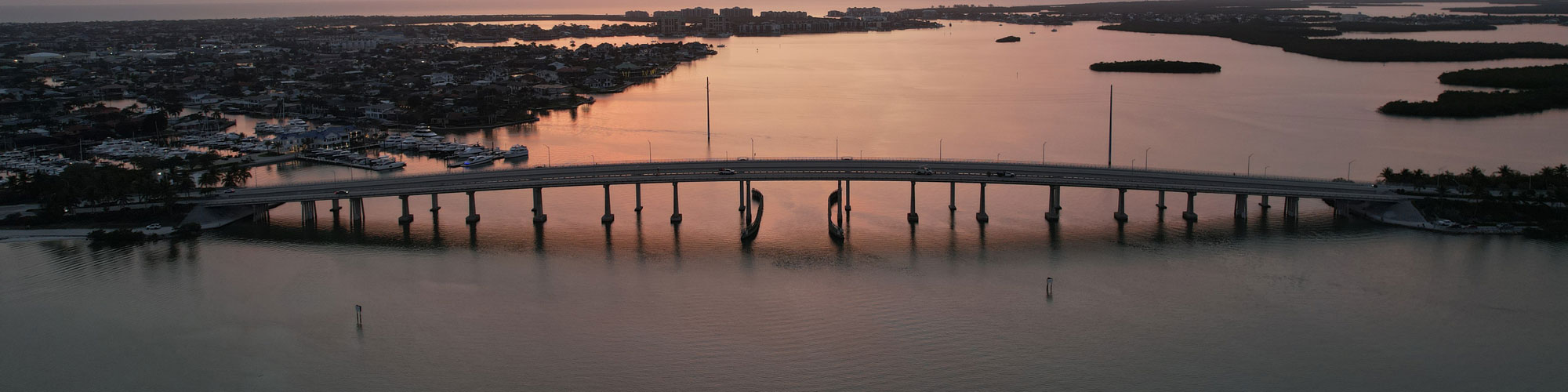
The Coastal Habitat and Water Quality “C-HAWQ” Initiative aims to improve water quality and resiliency in coastal communities of Florida by providing advisory services to municipalities, public education and outreach to communities, and research.
With over 65 years of experience, the C-HAWQ team specializes in beneficial reuse and inland dredging, sediment control, storm resilience, field engineering, environmental design, and native vegetation planting and maintenance. Our initiative is to support local governments by offering innovative, affordable, and environmentally aware solutions to urban water quality problems.
The C-HAWQ team brings over 65 years of blue-green infrastructure construction, ecological restoration, and civil engineering experience.
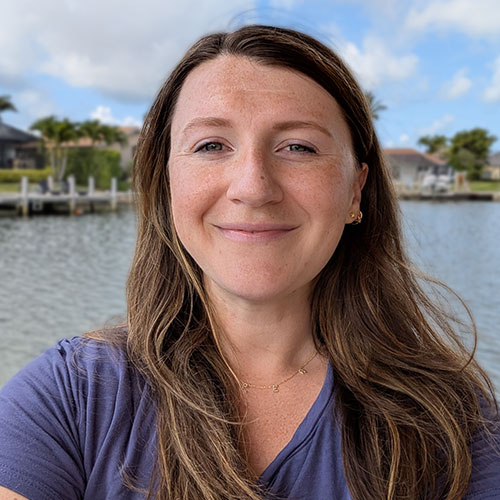
As the Operations Director for C-HAWQ, Emily is the strategic force ensuring our vision becomes a reality. She’s a hands-on leader who translates our long-term goals into actionable, day-to-day operations. Emily’s work involves executing the plans for all our coastal water quality initiatives, ensuring every project is on track and aligned with our mission. She is the backbone of the organization, managing the logistics, resources, and people that make our mission possible. Emily’s commitment to efficient and effective operations is what allows C-HAWQ to make a tangible and lasting impact.
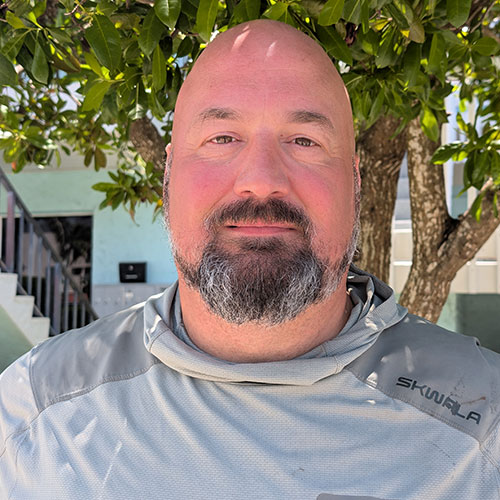
As the Executive Director for C-HAWQ, Chris is the visionary leader at the helm of our mission. He translates complex ecological concepts into actionable projects and builds key relationships with municipal leaders and stakeholders. Chris is the architect of our operational framework, ensuring every project is executed efficiently and provides clear, measurable results. He forges strategic partnerships with influential organizations like the Everglades Foundation and King Ranch, and he is a driving force behind our technology and policy initiatives. Chris’s ultimate goal is to build a self-sustaining organization with a strong team and a repeatable process, ensuring C-HAWQ can continue to make a lasting impact on coastal water quality and resiliency for years to come.
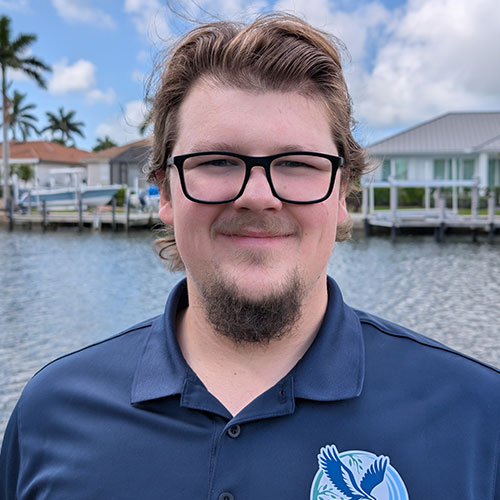
As the Head of Wildlife & Environmental Outreach for C-HAWQ, Logan is our lead advocate for Florida’s unique ecosystems. He blends hands-on wildlife management with community outreach and educational program development. Logan is responsible for our animal care initiatives and is the driving force behind the creation of our Environmental Learning Center. His efforts are key to educating the public about coastal habitats and water quality, fostering a deeper connection to our natural world and advancing C-HAWQ’s mission.
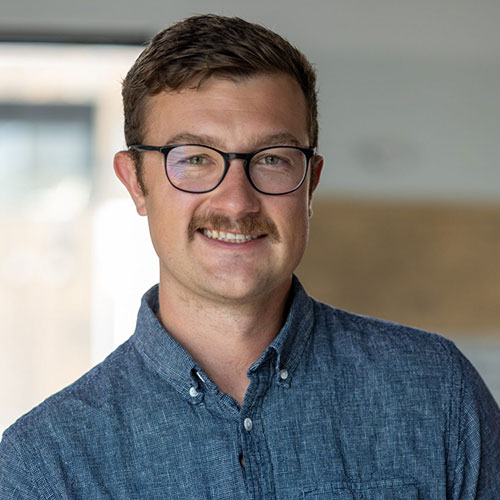
As the Creative Director for C-HAWQ, Ryan is a strategic leader who drives our brand’s mission to improve coastal water quality and resiliency. He creates and implements all our marketing strategies, ensuring our message is consistent and effective across all platforms. Ryan’s work is essential to visually documenting our projects, from our innovative beneficial reuse methods to the creation of new habitats with native vegetation. He produces all our content, including videos and photography, and develops marketing materials for fundraising and community outreach. Ryan’s efforts are key to telling our story, helping us communicate our impact to potential partners and supporters.
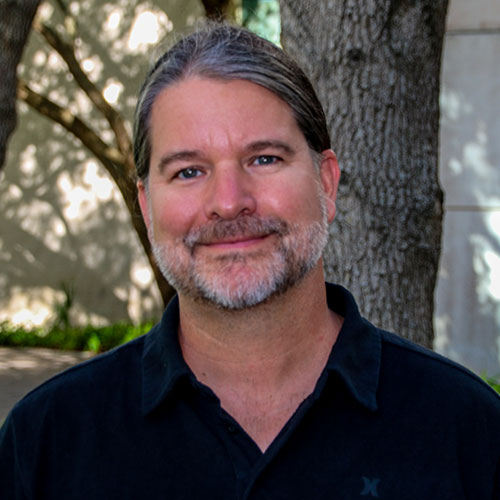
Chris is a Professor at the University of South Florida, College of Marine Science. His research focuses on basic concepts in ecology, yet includes a strong applied component to inform marine conservation and management efforts. Broadly, he examines the ecological processes that drive population and community dynamics of marine organisms. Therefore, much of his research is field-intensive and involves both experimental and large-scale observational approaches. Chris also incorporates an extensive laboratory component into his studies through mesocosm experiments and use of stable isotope analyses, and explores large datasets, using multivariate statistics and GIS to reveal broad-scale ecological patterns that may be further explored through focused regional field studies.
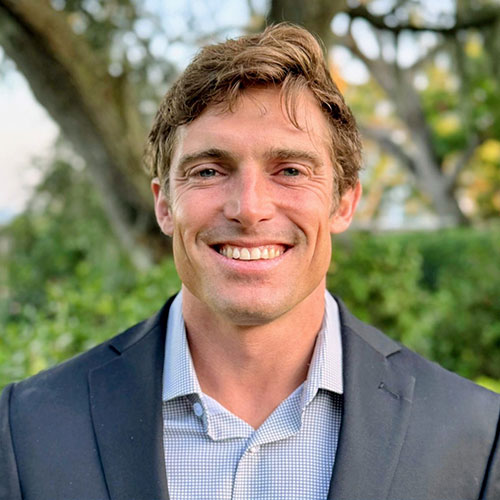
Dr. Harris is a quantitative ecologist who studies marine and coastal social-ecological systems. His research programs use synthesis science, quantitative ecology, and ecosystem modeling to investigate the effects of environmental changes and human impacts on ecosystems and their services to society. Science-based stewardship requires strong collaboration, and his work is rooted in engaging stakeholders as partners in innovation, research, and management strategy.